Canonical identity
Write one factual sentence that names the entity, category, core offering, audience and outcome. Keep the creative layer, but make sure the boring sentence exists.
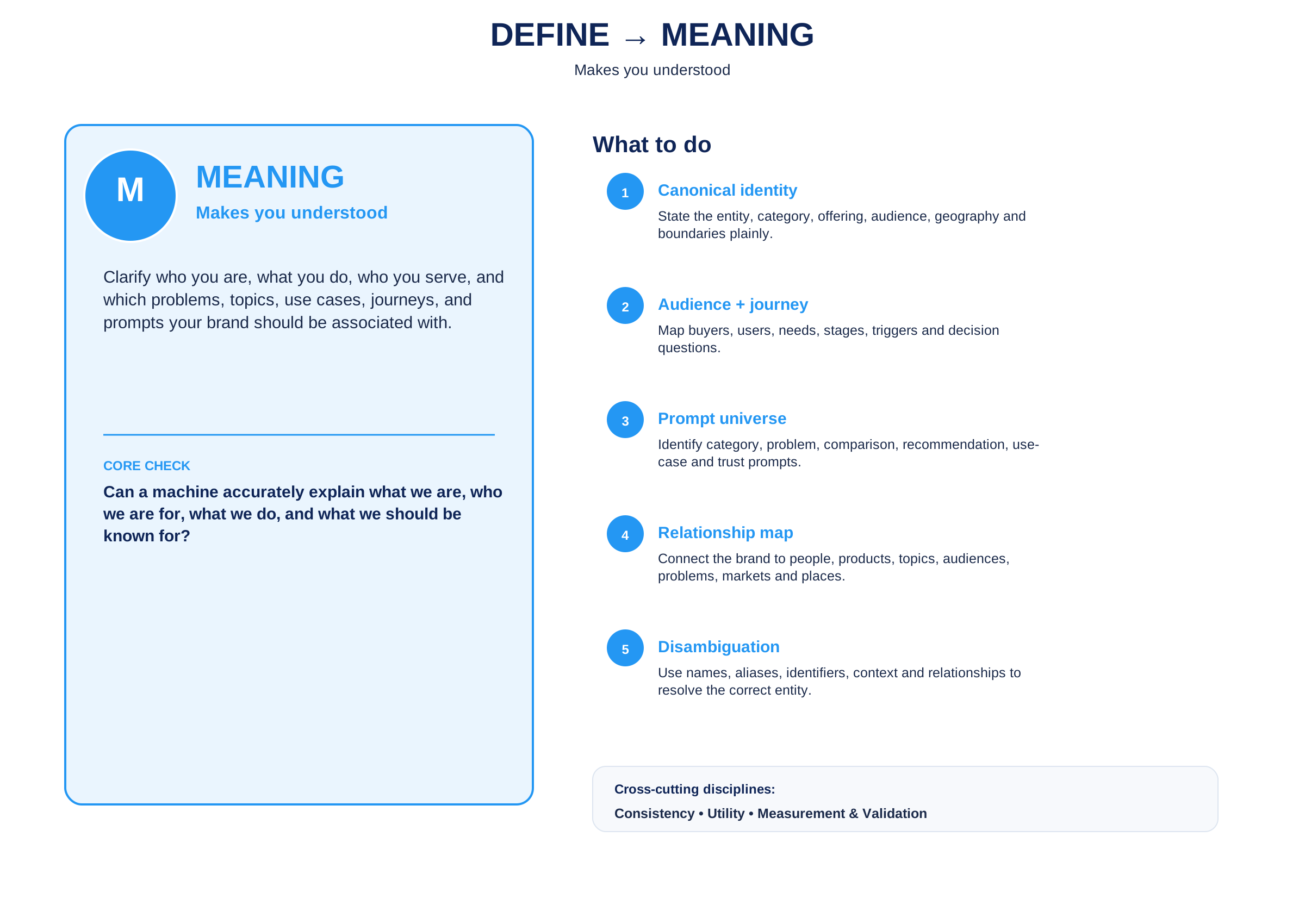
Meaning is the model of what the brand is and what it should be associated with. It is not the tagline. It is the explicit identity, category, audience, offer, problem set, topical scope and relationship graph that a machine can resolve without guessing.
Define the condition:
Core check: Can a machine accurately explain what we are, who we are for, what we do and what we should be known for?
Open the full Meaning diagram ↗If the brand is vague, every downstream step gets harder. Retrieval can surface the wrong category. Third-party mentions can reinforce the wrong association. Structured data can make an unclear fact more explicit without making it more correct.
Write one factual sentence that names the entity, category, core offering, audience and outcome. Keep the creative layer, but make sure the boring sentence exists.
Write one factual sentence that names the entity, category, core offering, audience and outcome. Keep the creative layer, but make sure the boring sentence exists.
Map who buys, who uses, what triggers the need, and how questions change from discovery through evaluation and action.
Build a representative prompt set around category, problem, comparison, recommendation, alternatives, use cases, trust and transaction.
Map the people, products, categories, audiences, problems, topics, markets and places that define the brand.
Identify collisions with similar brands, products, people or places, then use names, aliases, context and relationships to resolve the right entity.
Meaning works best when the other conditions support it. Use the full audit to see whether the constraint actually sits here or somewhere else.